
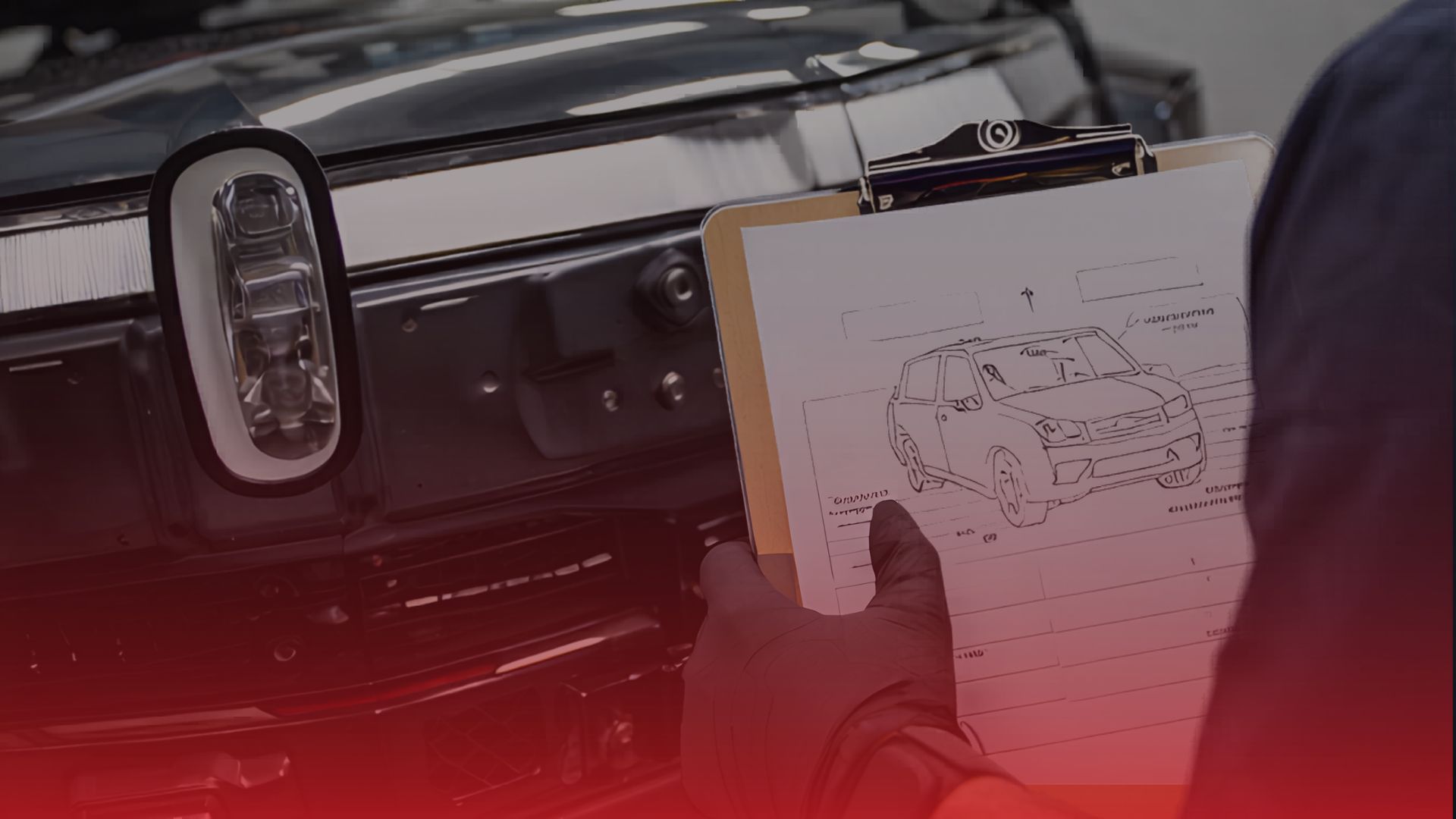
After an accident, most drivers want one thing:
Get the car fixed and move on.
If your electric vehicle looks fine after repairs, it’s easy to assume everything was handled correctly.
That assumption is where problems start.
What most repairs miss is full system verification.
That includes:
- battery inspection
- structural validation
- safety system calibration
Without that step, a vehicle can look repaired but not actually be safe.
Why This Matters More Than Most Drivers Realize
Hidden damage doesn’t just sit there.
It affects:
- How your battery performs
- How your safety systems respond
- How your vehicle protects you in the next accident
And most of it isn’t visible from the outside.
Battery Damage
- Can lead to delayed failure or safety risk
Sensor Misalignment
- Can cause incorrect braking or missed hazards
Structural Damage
- Can weaken crash protection in future impacts

If your EV has already been repaired, this matters even more.
Most problems show up later, when it’s harder to trace what was missed.
EV Collision Repair Is Not the Same as Traditional Repair
Most body shops are built for gas vehicles.
Electric vehicles require a completely different process.
High-Voltage Systems Change Everything
EVs operate on 400 to 800 volts.
Improper handling after a collision can create:
- Fire risk
- Electrical exposure
- Long-term system failure
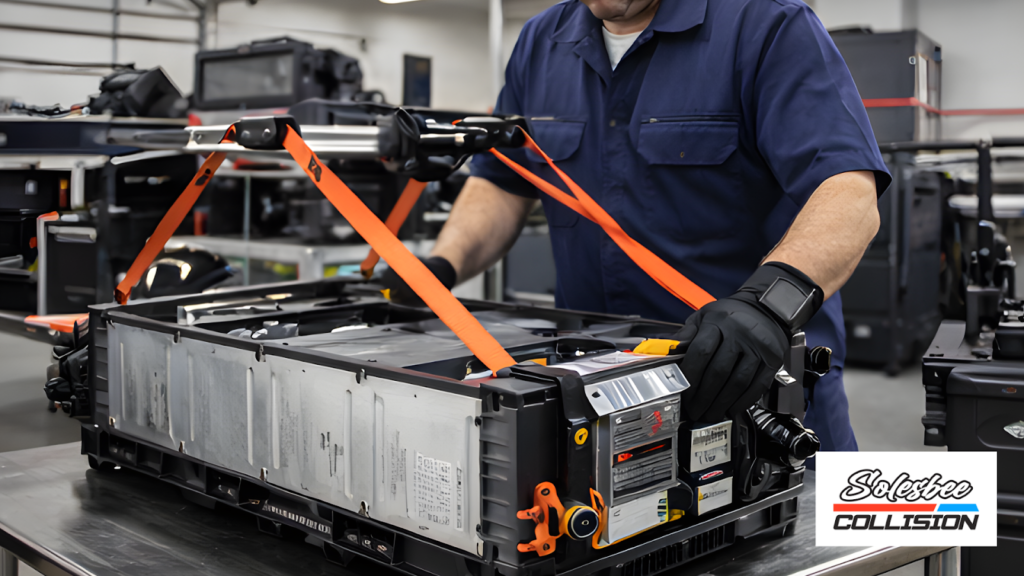
The Battery Is Part of the Structure
In many EVs, the battery supports the vehicle’s structure.
Damage here affects:
- Crash performance
- Structural integrity
- Battery protection
If this is missed, the vehicle may not perform the same in a future accident.
Safety Systems Can Be “Working” But Still Wrong
Systems may turn on.
That does not mean they are correct.
Misalignment can lead to:
- Delayed braking
- Incorrect detection
- Failure in critical moments
How to Tell If Your EV Was Repaired Correctly
Most drivers are never shown this information.
Ask yourself:
- Were calibration results shown to you?
- Was the battery inspected and documented?
- Were manufacturer procedures followed and explained?
- Was the vehicle fully disassembled before repair approval?
If the answer to any of these is no, your repair may not be complete.
Not sure?
It’s easier to verify now than discover a problem when it matters most.
What Drivers Experience After an Incomplete EV Repair
You get the car back.
Everything seems fine.
Then later:
- Range drops
- Warning lights appear
- Something feels off
And now you’re stuck between:
- The repair shop
- The manufacturer
- The insurance company
Trying to figure out who is responsible.
What Happens When EV Repairs Are Done Incorrectly
These are not cosmetic issues.
Safety Risks
- Safety systems fail when needed
- Structural protection is reduced
Performance Risks
- Battery degradation
- Inconsistent vehicle behavior
Financial Risks
- Warranty complications
- Costly re-repairs
What Proper EV Collision Repair Actually Requires
Correct repair is not about appearance.
It’s about restoring full safety and function.
Step 1: High-Voltage Isolation
Vehicle safely powered down and secured.
Step 2: Full Inspection
Structural and battery damage identified.
Step 3: OEM Parts Only
No substitutions.
Step 4: EV-Specific Repair Methods
Correct welding, bonding, alignment.
Step 5: Calibration
All safety systems reset to spec.
Step 6: Verification + Documentation
Everything tested and recorded.
Why Most Drivers Choose the Wrong Shop
Most drivers don’t choose wrong intentionally.
They’re guided toward:
- Insurance-recommended shops
- Faster timelines
- Lower estimates
Those decisions prioritize cost and speed
not complete repair.
Proper EV repair requires training, equipment, and adherence to manufacturer standards.
Why Some EV Owners Travel for the Right Repair
Once drivers understand the risk, priorities change.
It’s no longer about:
- Distance
- Convenience
- Speed
It becomes:
Will the vehicle be safe when the repair is complete?
What to Look for in an EV Collision Repair Shop
Look for:
- OEM certifications
- EV-specific training
- Documented repair process
- Calibration verification
Learn more about:
- EV Collision Repair Services
- OEM Certified Repair Standards
- Structural Damage and Safety
Not Sure If Your EV Was Repaired Correctly?
If something feels off, don’t ignore it.
Most issues don’t show up immediately.
They develop over time.
A proper inspection can identify:
- Calibration errors
- Battery issues
- Structural problems
Before they become bigger risks.
Start With a Verified Inspection Not an Assumption
Know exactly what was repaired and what may have been missed