
Collision Repair Is More Than
Fixing What You Can See
After an accident, the visible damage is only part of the story. A proper collision repair means understanding what was affected, determining what your vehicle’s manufacturer requires, and repairing it accordingly.
At Solesbee Collision, we take a Factory Correct approach to collision repair so you can understand what was repaired, why it mattered, and how the work was verified.
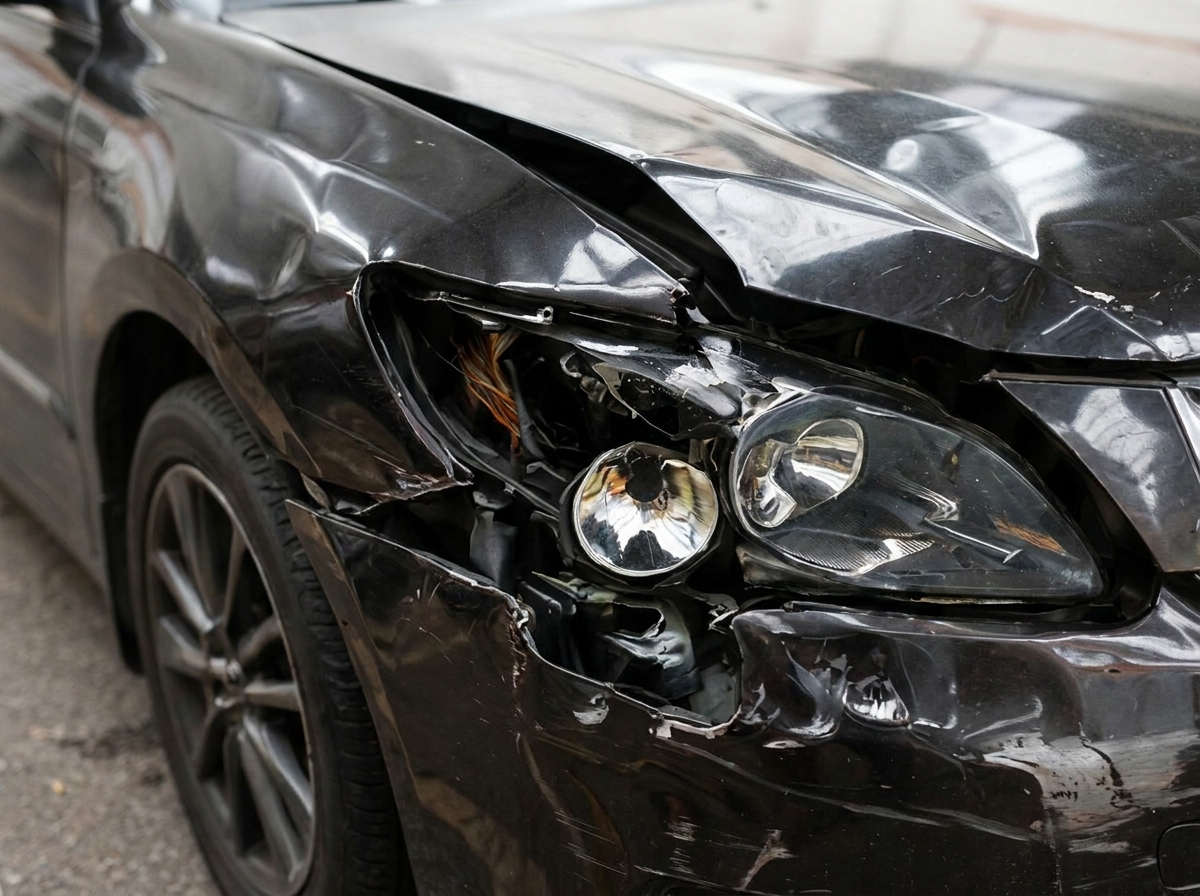
Isn’t Always the Whole Repair
A damaged bumper, dented quarter panel, or broken light is easy to notice. What happened behind those damaged areas may be less obvious.
Depending on the collision and vehicle, an impact can affect components, mounting points, structural areas, electronics, sensors, or other systems that aren’t easy to evaluate from appearance alone.
That’s why we don’t approach collision repair as simply replacing damaged panels and making the vehicle look good again. We start by understanding what happened to the vehicle—and what it requires to be repaired correctly.
What Does “Factory Correct” Collision Repair Mean?
Your vehicle was engineered with specific materials, components, systems, and repair requirements. After a collision, those details matter. Factory Correct means the repair is guided by the requirements of the vehicle and not by assumptions, habit, or simply what looks acceptable from the outside.
Identify What Was Affected
We evaluate the collision damage to understand both what is visible and what may require further inspection.
Research the Repair
The repair plan is based on the procedures and requirements applicable to your specific vehicle.
Repair According to the Procedure
The appropriate parts, equipment, materials, and repair methods are used based on what the vehicle requires.
Verify the Repair
Before the repair is considered complete, the work goes through the appropriate verification and quality-control process.
We Verify What You Can’t See
A vehicle can look repaired from the outside. That doesn’t necessarily tell you everything about how the repair was performed.
That’s why Solesbee believes confidence should come from more than a finished paint job and a promise that everything is fine.
You shouldn’t have to guess what happened behind the repair.
Manufacturer Procedures
Repair information specific to the vehicle.
Repair Documentation
A clearer record of what was performed.
Diagnostics & Verification
Checks appropriate to the vehicle and repair.
Quality Control
Verification before the vehicle is returned.
What Happens After You Bring Your Vehicle to Solesbee?
Start With the Damage
We begin by understanding the accident, your vehicle, and the visible areas of concern.
Inspect & Build the Repair Plan
The vehicle is evaluated and the information needed to plan the repair is identified.
Follow Vehicle-Specific Requirements
Repair procedures and requirements are determined for the vehicle and affected areas.
Complete the Repair
Our team performs the required body, structural, refinishing, glass, or diagnostic work.
Verify & Quality Check
The completed work goes through the appropriate checks before the vehicle is returned.
Help You Understand the Repair
We explain what was done so you’re not left wondering what happened.
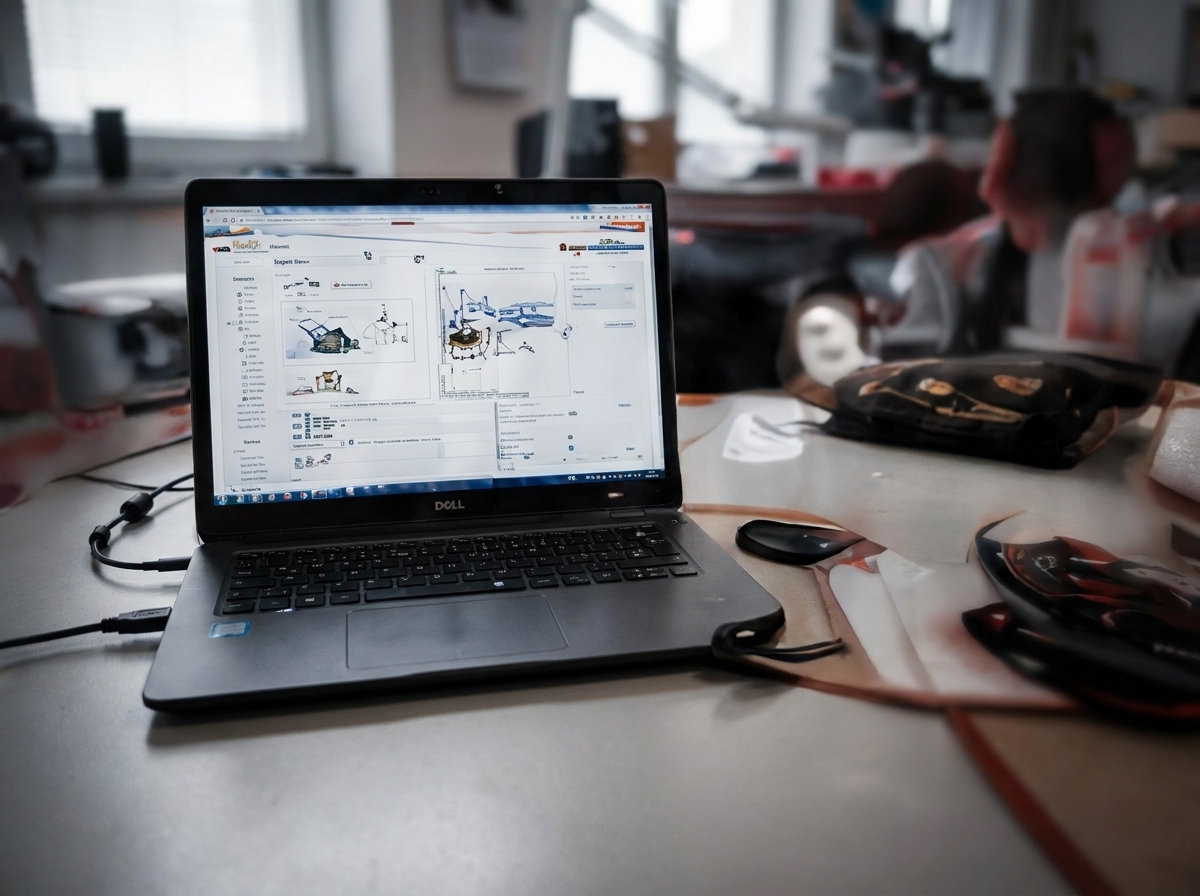
Not Every Vehicle Should Be Repaired the Same Way
Different manufacturers can specify different repair procedures, materials, joining methods, and inspection requirements. We don’t make the vehicle fit our repair process—the repair process has to fit the vehicle.
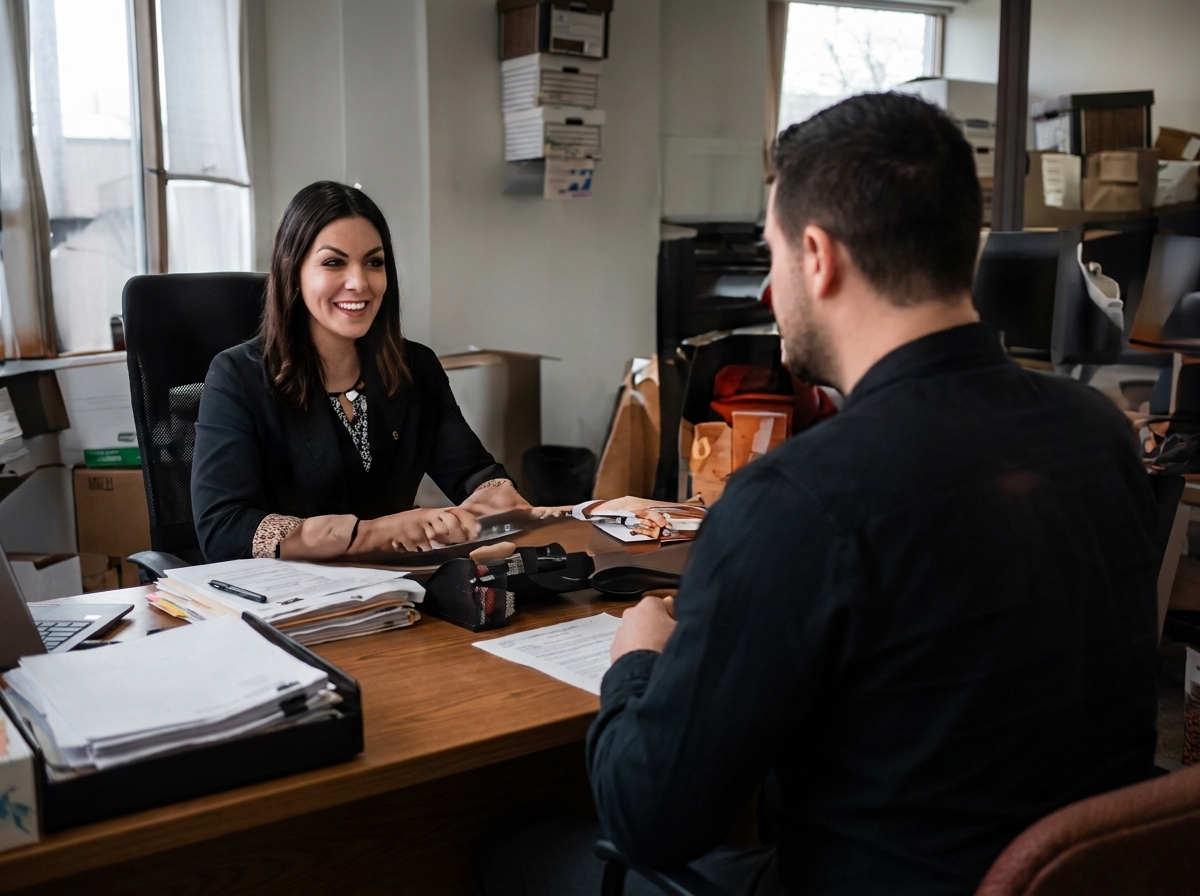
Insurance Is Part of the Process, Not the Only Voice
We help you understand what’s happening with your repair, explain procedures and parts decisions, and communicate through the process to make things easier to understand.

Collision Repair for Today’s Vehicles
We repair EV and non-EV vehicles from Tesla, Rivian, Toyota, Ford, Lincoln, Ram, Jeep, Subaru, Hyundai, Kia, Chevrolet, Cadillac, GMC, Nissan, Dodge, Chrysler, Fiat, and Alfa Romeo.
Serving Hayden & North Idaho
Our Hayden facility provides collision repair for Coeur d’Alene, Post Falls, Rathdrum, Spirit Lake, Dalton Gardens, Athol, and surrounding communities.
Get DirectionsFrequently Asked Questions
Not all collision damage is visible from the outside. An impact can affect components, mounting points, structural areas, electronics, sensors, or other systems even when the exterior damage appears minor. A proper inspection helps determine what was affected before the repair plan is finalized.
You may receive a recommendation from your insurance company, but you can ask questions and understand your repair options before deciding where your vehicle will be repaired. We help you understand the process so you can make an informed decision.
Some collision damage may not become apparent until damaged parts are removed and the affected areas can be inspected more closely. If additional damage is discovered, the repair plan may need to be updated before work continues.
Repair time depends on the extent of the damage, the vehicle, required parts, manufacturer procedures, and insurance approvals. Once we know more about your vehicle and the damage, we can give you a clearer picture of what to expect.
Ask how the shop determines correct repair procedures, what parts and equipment may be required, how completed work is verified, and how clearly the process will be explained to you—not just promises that it will be done right.
Safety Focused
We prioritize your safety and your family’s safety.
Family Owned
Local, family-owned and operated.
Trusted Reputation
Rated by your neighbors across North Idaho.
Customer First
Clear communication, every step of the way.
You Don’t Have to Figure Everything Out Yourself.
Tell us what happened. We’ll help you understand what your vehicle may need, what the repair process involves, and what comes next — whether that’s visible collision damage, possible structural damage, broken glass, insurance questions, or uncertainty about a previous repair.