
What You Can’t See
After a Collision Still Matters
Collision damage doesn’t always stop at the exterior of your vehicle. An impact can affect structural areas beneath the surface, changing what needs to be measured, repaired, or replaced before the vehicle can be properly restored.
At Solesbee Collision, we approach structural repair according to the requirements of the vehicle, not assumptions, using the repair information, equipment, and processes needed to restore what was affected.
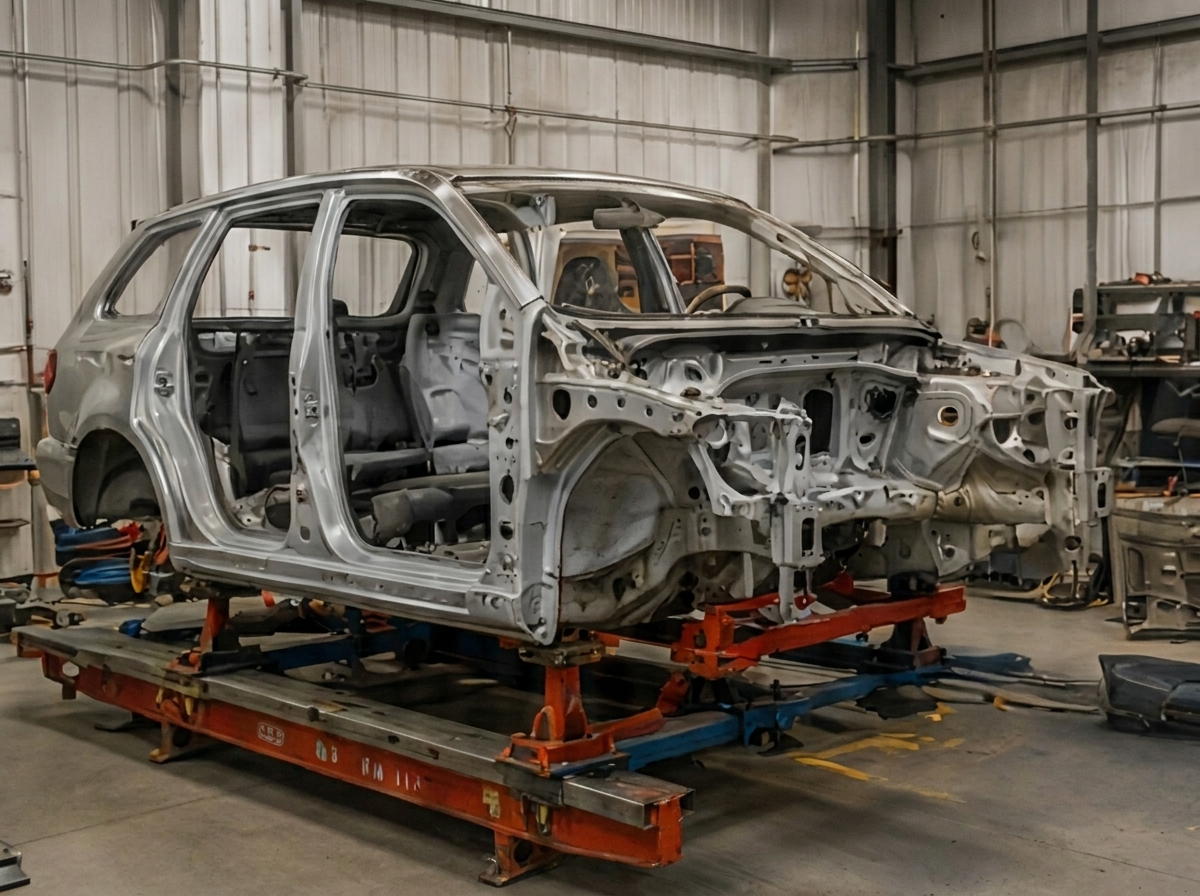
A Vehicle Can Look Repaired
Before the Structure Is Restored
Exterior panels can be repaired or replaced. Paint can be refinished. But neither tells you by itself whether collision forces affected structural areas beneath them.
That’s why structural repair begins by understanding what changed during the collision and determining what the vehicle manufacturer requires for the affected areas.
The goal isn’t simply to make the damage disappear. It’s to understand what was affected beneath it.
What Does “Structural Damage”
Actually Mean?
A modern vehicle isn’t simply a body sitting on top of a frame. Depending on the vehicle, its structure may include rails, pillars, rocker areas, floor sections, crumple zones, mounting points, and other components engineered to work together.
When collision forces travel through the vehicle, damage may extend beyond the obvious point of impact. That’s why understanding structural damage requires more than looking at the dented panel.
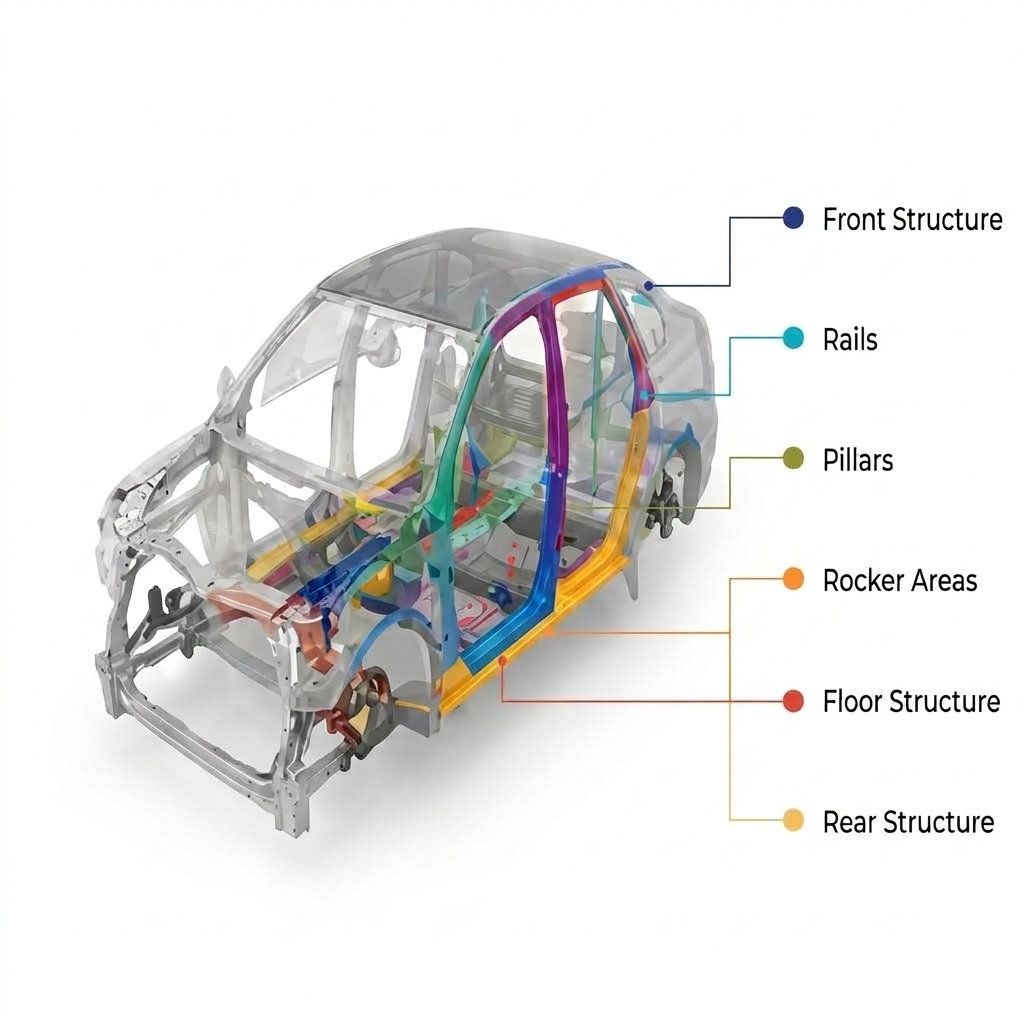
Why Frame & Structural Repair Matters
Precision Structural Measurement
Structural repair begins with understanding how the vehicle compares with the measurements and specifications required for the repair. Proper measuring equipment helps technicians identify changes that may not be obvious through visual inspection alone.
Trained Technicians & Proper Repair Methods
Structural repairs require an understanding of vehicle construction, repair procedures, materials, equipment, and the affected areas of the vehicle. The repair approach should be determined by what the specific vehicle and damage require.
Safety Is Part of the Structure
Structural components are engineered as part of the vehicle’s overall design. Repairing affected structural areas correctly matters because those components are part of how the vehicle was designed to perform.
Restoring More Than Appearance
A structural repair isn’t complete simply because the exterior looks right again. The underlying repair, fit of surrounding components, measurements, and finished vehicle all need to work together.
Structural Repair Starts With Information Not Guesswork
Assess the Damage
The vehicle is evaluated to understand the visible damage and identify areas that may require further inspection or measurement.
Measure & Diagnose
Where required, structural measurements and diagnostic information help establish what changed and what needs to be addressed.
Research the Repair Requirements
The appropriate repair procedures are determined for the vehicle and affected structural areas.
Repair or Replace
Affected components are repaired or replaced according to the requirements of the repair plan.
Verify
The completed work is checked against the requirements used to guide the repair.
The Vehicle Manufacturer Helps Define the Repair
Vehicle structures vary by manufacturer, model, materials, joining methods, and design. That means the appropriate repair can vary too. Factory Correct means the repair decision starts with what the vehicle requires and not what is easiest to do.
Not Every Vehicle Structure Is Built the Same
Modern vehicles can use different combinations of steel, high-strength steels, aluminum, and other materials throughout their construction. That’s why structural repair should be based on the specific vehicle and not a one-size-fits-all approach.
“It Looks Straight” Isn’t the Same as Knowing
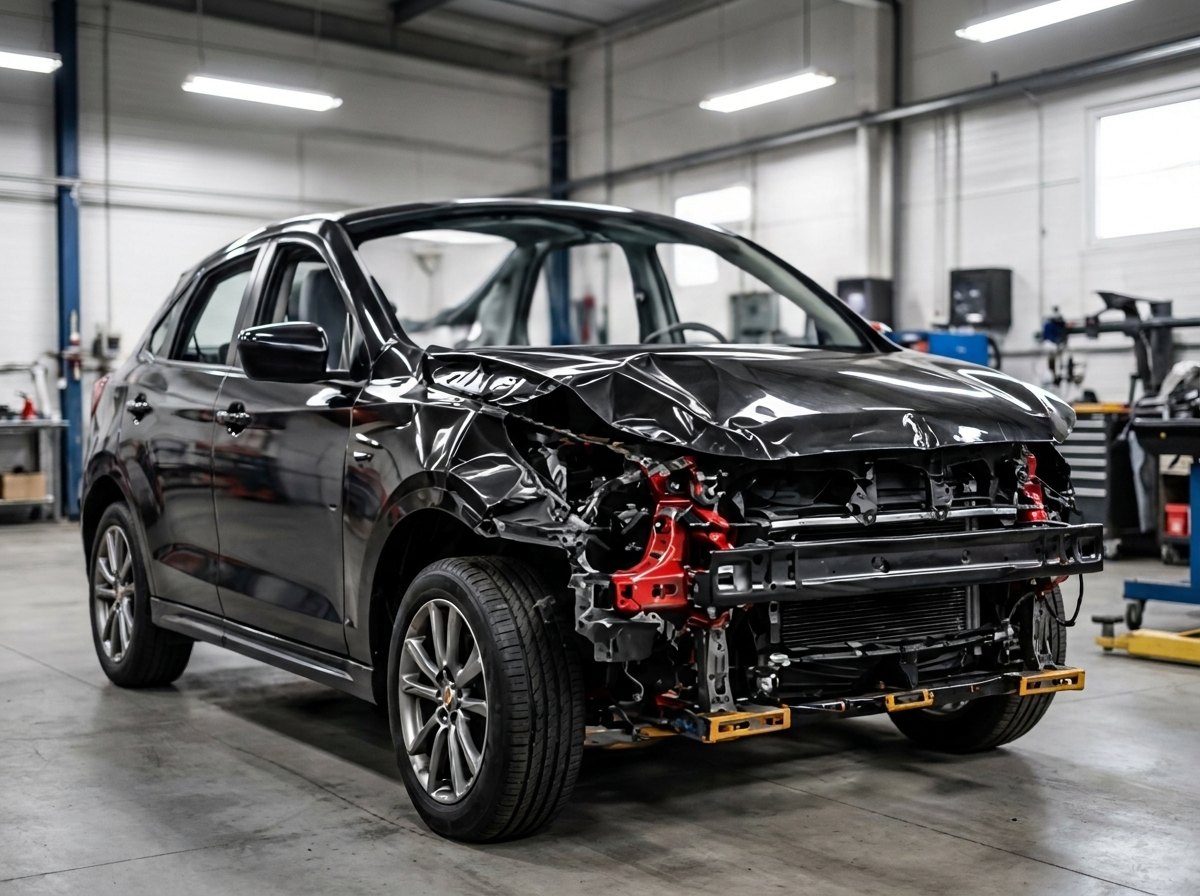 Damage Assessment
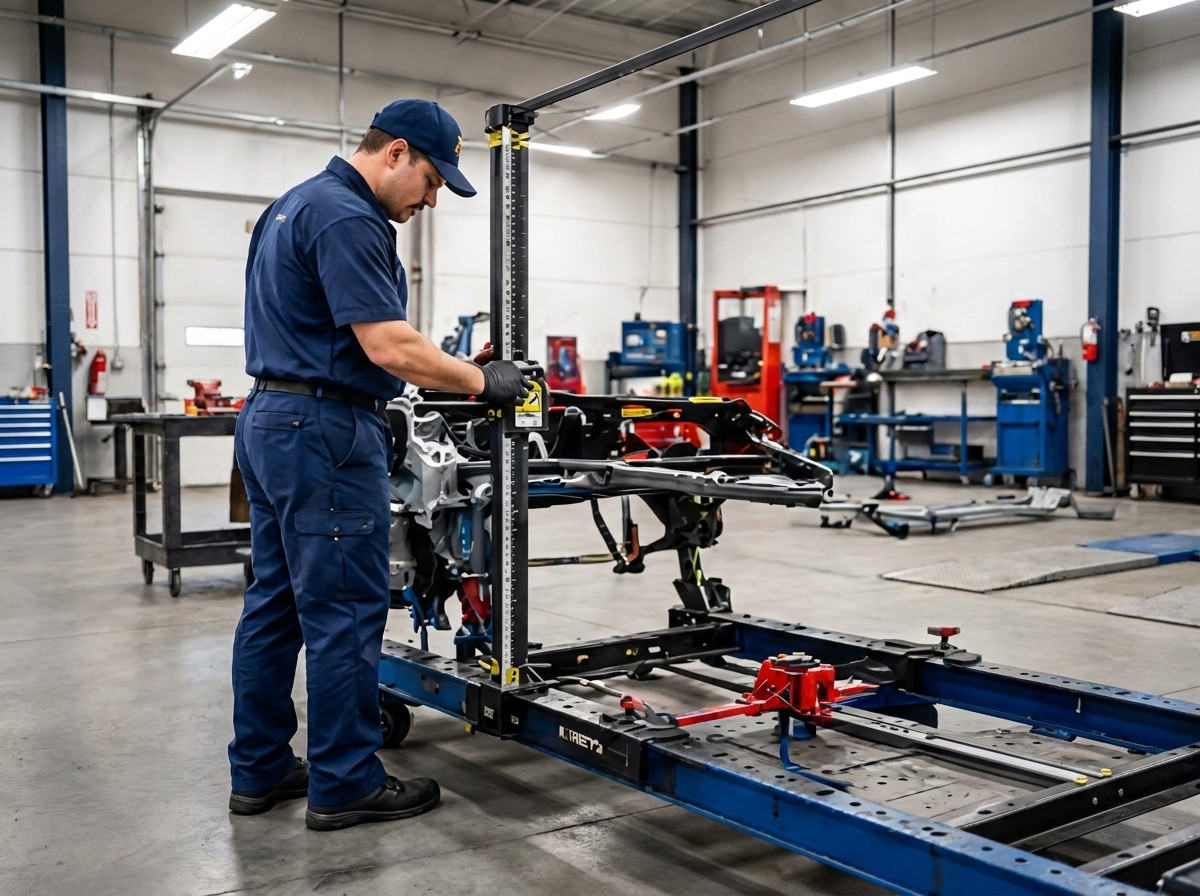 Structural Measurement
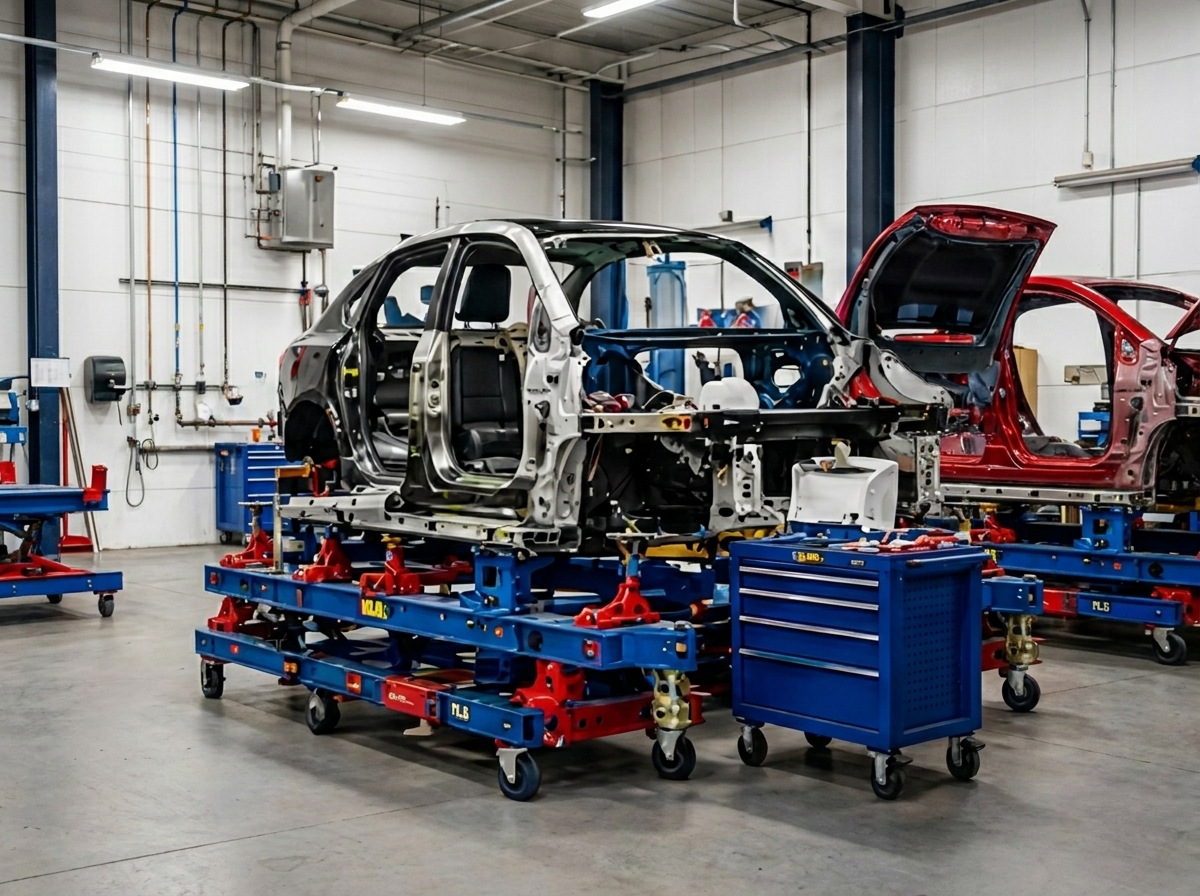 Repair Process
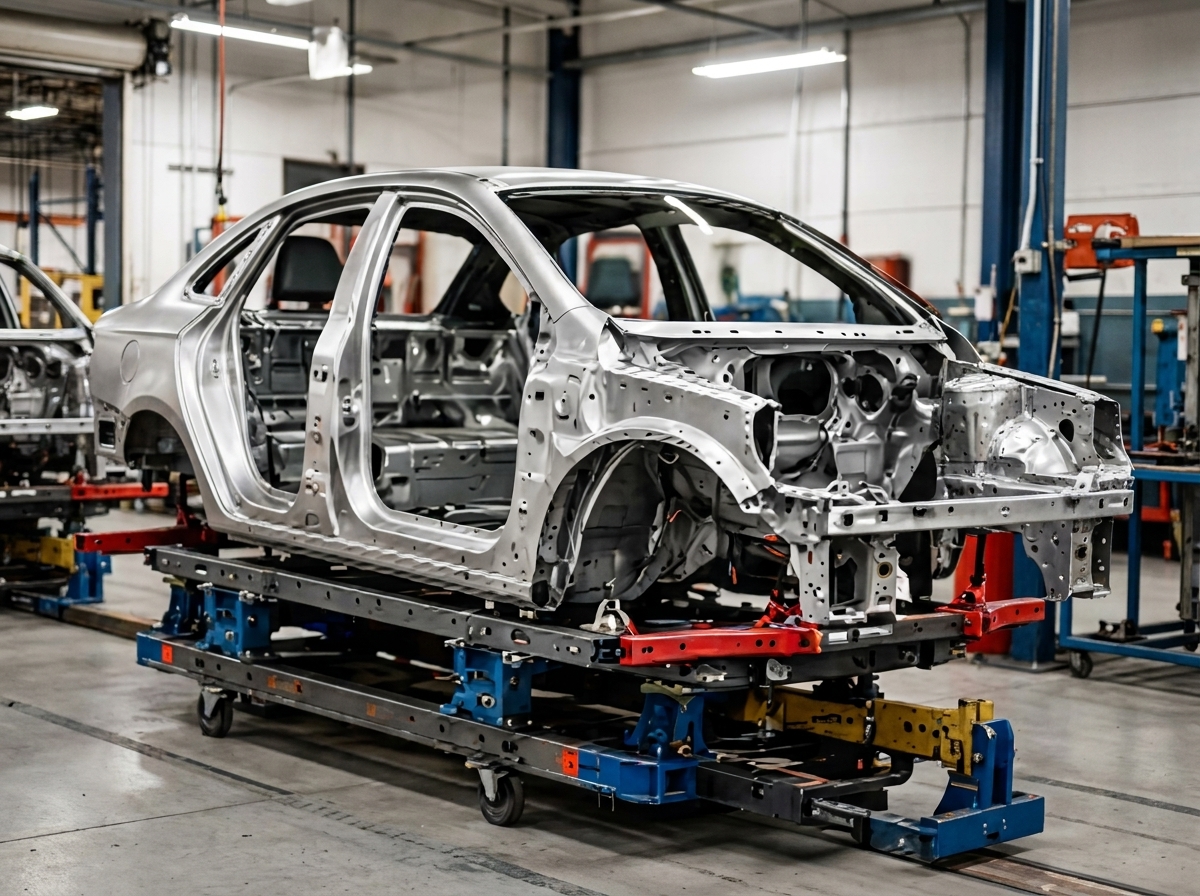 Verification
Confidence comes from knowing what was checked, what was repaired, and how the completed work was verified.
Different Vehicles Require
Different Repair Decisions
Solesbee Collision works with EV and non-EV vehicles from manufacturers including Tesla, Rivian, Toyota, Ford, Lincoln, Ram, Jeep, Subaru, Hyundai, Kia, Chevrolet, Cadillac, GMC, Nissan, Dodge, Chrysler, Fiat, and Alfa Romeo.
Frame & Structural Repair in Hayden, Idaho
Solesbee Collision provides frame and structural collision repair for drivers throughout Hayden, Coeur d’Alene, Post Falls, Rathdrum, Spirit Lake, Dalton Gardens, Athol, and surrounding North Idaho communities.
If you’ve been in an accident and aren’t sure whether the damage extends beyond what you can see, we can evaluate the vehicle and help you understand the appropriate next step.
Get DirectionsFAQs About Frame & Structural Repair
Structural damage isn’t always obvious from looking at the exterior. Depending on the collision, technicians may need to inspect affected areas and use measurement or diagnostic information to determine whether the vehicle’s structure has changed.
It depends on the vehicle, the location and extent of the damage, and the manufacturer’s repair requirements. Some structural components may be repairable under specified procedures, while others may require replacement. The correct decision should be based on the specific vehicle and damage.
Not necessarily. “Frame damage” is commonly used to describe structural collision damage, but many modern passenger vehicles use unibody construction rather than a separate traditional frame. What matters is identifying which structural areas were affected and determining the appropriate repair.
Visual inspection alone may not reveal every dimensional change caused by an impact. When required, structural measurements help technicians compare the vehicle with the specifications relevant to the repair and make informed repair decisions.
Yes. Exterior appearance alone doesn’t necessarily show everything affected by a collision. Components behind exterior panels or structural areas may require further inspection, which is why the repair process should consider more than visible cosmetic damage.
Safety Focused
We prioritize your safety and your family’s safety.
Family Owned
Local, family-owned and operated.
Trusted Reputation
Rated by your neighbors across North Idaho.
Customer First
Clear communication, every step of the way.
You Don’t Have to Figure Everything Out Yourself.
Tell us what happened. We’ll help you understand what your vehicle may need, what the repair process involves, and what comes next — whether that’s visible collision damage, possible structural damage, broken glass, insurance questions, or uncertainty about a previous repair.