
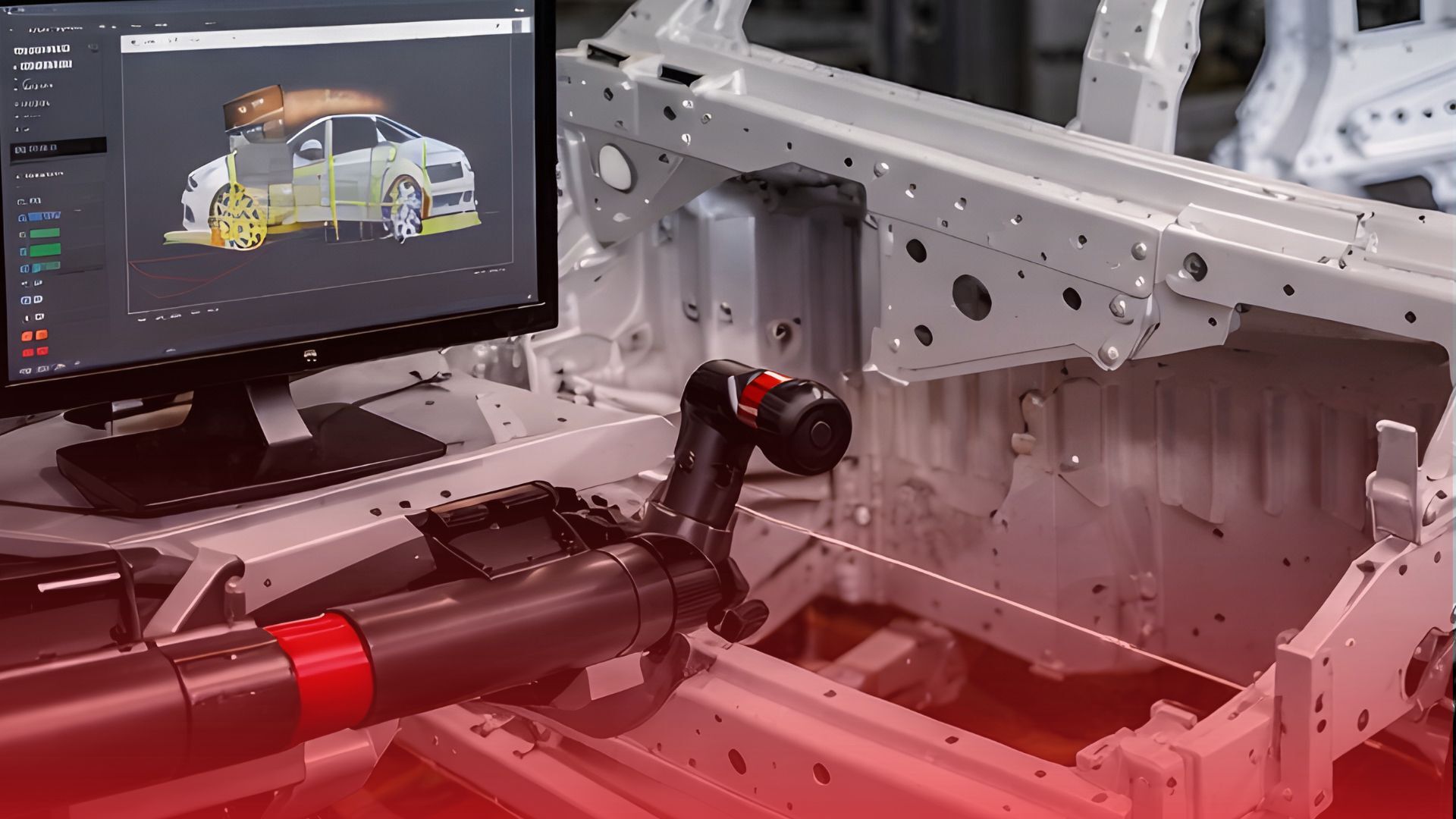
Not all collision damage is obvious.
A vehicle can look repaired, drive normally, and still have underlying structural issues that affect how it performs in a future accident.
With electric vehicles, this risk is amplified.
Because EVs are built around integrated battery systems and precision-engineered structures, even minor frame distortion can influence safety systems, battery protection, and long-term reliability.
Structural repair in an electric vehicle is not about restoring appearance.
It is about restoring how the vehicle is designed to protect.
Why Structural Issues in EVs Are Different
Electric vehicles are built differently from traditional cars, and those differences change how damage must be evaluated and repaired.
Most EV platforms include:
- a battery pack integrated into the vehicle floor
- mixed-material construction
- structural bonding systems instead of traditional welding
Because of this design, structural damage doesn’t just affect alignment — it can influence multiple interconnected systems.
A repair that looks complete on the outside may still leave critical systems misaligned underneath.
Battery Integration and Structural Risk
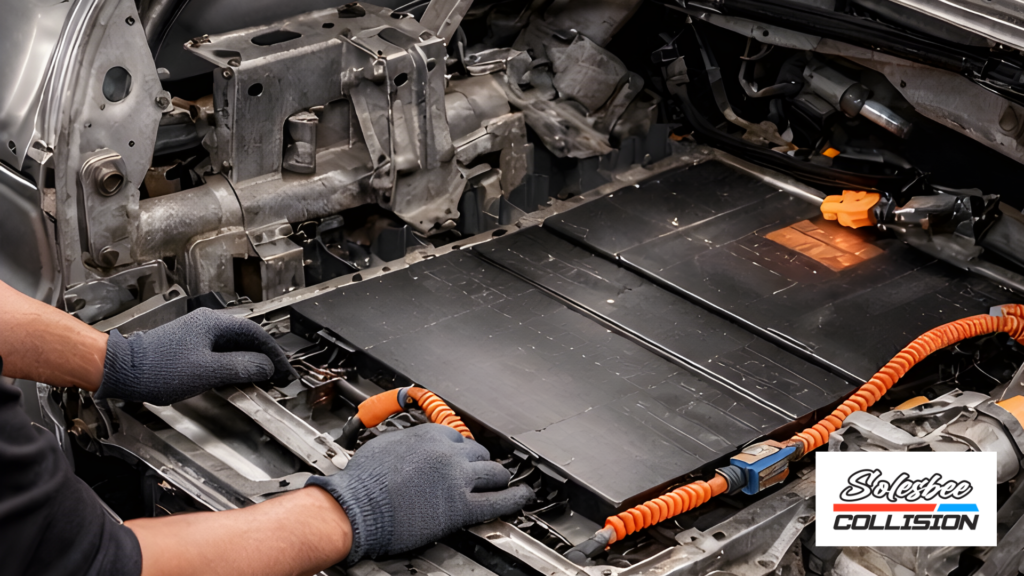
In many EVs, the battery pack is part of the vehicle’s structural foundation.
That means frame damage can directly impact:
- battery enclosure alignment
- cooling system pathways
- sealing integrity
If these areas are compromised:
- internal components may degrade over time
- thermal regulation may be affected
- safety risks can increase
Before any structural correction begins, the battery system must be properly evaluated and protected according to manufacturer procedures.
Material Differences Change the Repair Approach
Electric vehicles use a combination of materials designed to reduce weight and improve strength.
These often include:
- aluminum
- high-strength steel
- composite materials
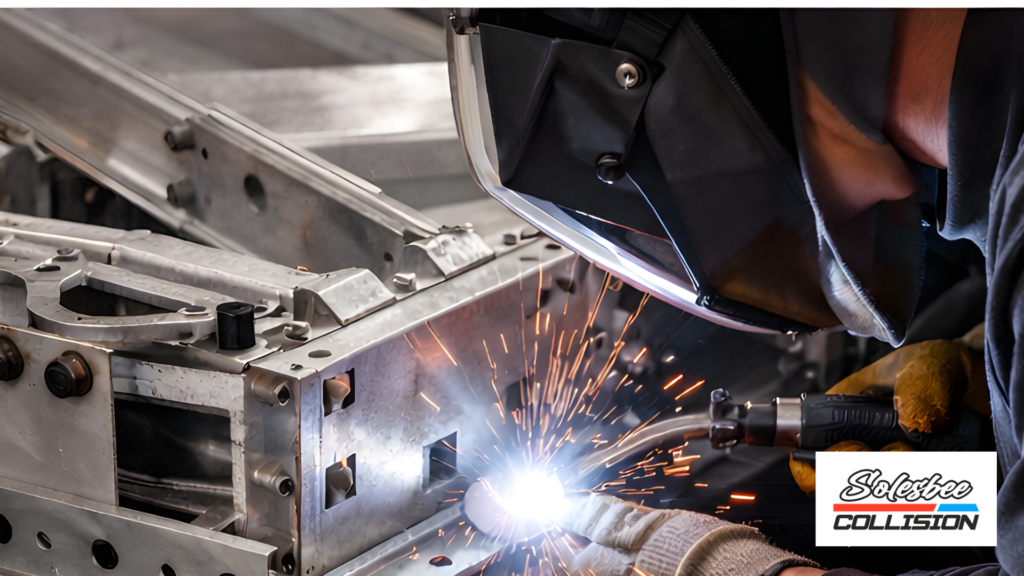
Each material behaves differently under stress and requires specific repair methods.
For example:
- aluminum cannot be treated like traditional steel
- bonded joints must follow exact curing processes
- some structural components are engineered for replacement rather than repair
These requirements make EV frame repair more controlled and less forgiving than conventional methods.
Why Precision Matters in EV Frame Alignment
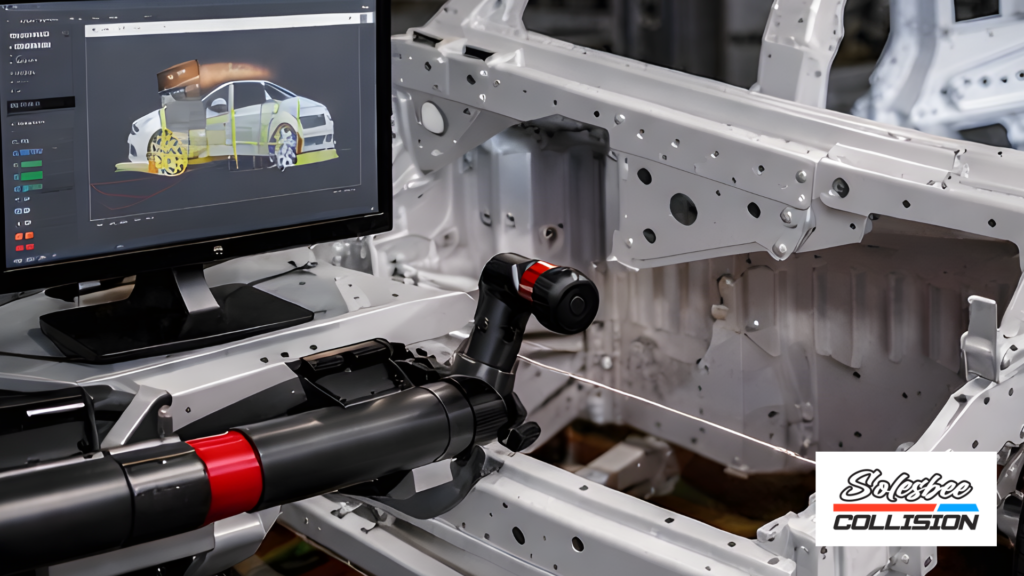
Electric vehicles rely on precise structural geometry.
Even small misalignments can affect:
- handling and stability
- sensor accuracy
- crash performance
Because of the vehicle’s weight distribution and low center of gravity, restoring exact measurements is critical.
Frame repair is not about “getting it close.”
It must return the structure to factory specifications.
What Can Be Missed After a Collision
After an accident, structural issues are not always immediately visible.
A vehicle may:
- drive without noticeable problems
- appear visually aligned
- pass a basic inspection
But underlying deviations can still exist.
These may only become noticeable later through:
- uneven wear
- system inconsistencies
- performance changes
Proper inspection is what separates a repair that looks complete from one that actually is.
How Structural Repairs Are Performed Correctly
Electric vehicle structural repair follows a controlled, multi-step process.
Damage Assessment with 3D Measurement Systems
The vehicle is scanned and compared against manufacturer specifications.
Battery System Evaluation
The battery pack is inspected to ensure it has not been compromised.
High-Voltage System Isolation
Electrical systems are safely powered down before work begins.
Frame Correction Using Computerized Equipment
The structure is restored using precision-controlled systems.
Material-Specific Repair Techniques
Welding, bonding, and component replacement follow OEM procedures.
Final Verification and Documentation
Measurements and system checks confirm the repair meets required standards.
Each step is designed to restore the vehicle’s original safety performance.
Equipment Required for EV Structural Repair
Proper repair depends on the right tools.
This includes:
- computerized measuring systems
- EV-compatible frame benches
- manufacturer-approved welding equipment
- structural bonding technology
These tools allow technicians to achieve the level of precision EVs require.
Safety Considerations During Repair
Structural repair involves multiple safety factors.
Electrical System Protection
High-voltage systems must be properly isolated.
Battery Integrity
The battery must remain protected throughout the process.
Thermal and Fire Risk Management
Technicians follow strict protocols to reduce risk.
Specialized Safety Equipment
Protective tools and procedures are required when working with EV systems.
Types of Structural Damage in EV Collisions
Common issues include:
- damage near the battery compartment
- subframe misalignment
- pillar and roof rail deformation
- floor structure compromise
Each of these areas plays a role in how the vehicle absorbs and distributes impact.
Verification After Structural Repair
A completed repair must be verified against factory standards.
This includes:
- structural measurements
- system diagnostics
- operational testing
Documentation ensures the repair process is complete and traceable.
When Structural Damage May Be Beyond Repair
In some cases, structural damage exceeds repair limits.
This depends on:
- severity of deformation
- battery condition
- safety system impact
- cost relative to vehicle value
These decisions are based on manufacturer guidelines, not visual appearance alone.
Why Proper Structural Repair Matters
Electric vehicles are designed to perform as complete systems.
When structural integrity is compromised, multiple systems can be affected.
Restoring the vehicle correctly ensures:
- safety systems function as intended
- battery performance is maintained
- long-term reliability is preserved
Choosing the right repair approach is not about speed or convenience.
It is about restoring the vehicle to the standard it was engineered to meet.
When You’re Not Sure What’s Right, Start Here
If your electric vehicle has been involved in a collision and you’re uncertain about the condition of its structure, a proper evaluation can provide clarity.
Our team focuses on accurate assessment, manufacturer-aligned repair procedures, and clear communication throughout the process.
Whether you’re in Hayden, Idaho or traveling from surrounding regions, we’re here to help you understand what your vehicle needs — and why it matters.